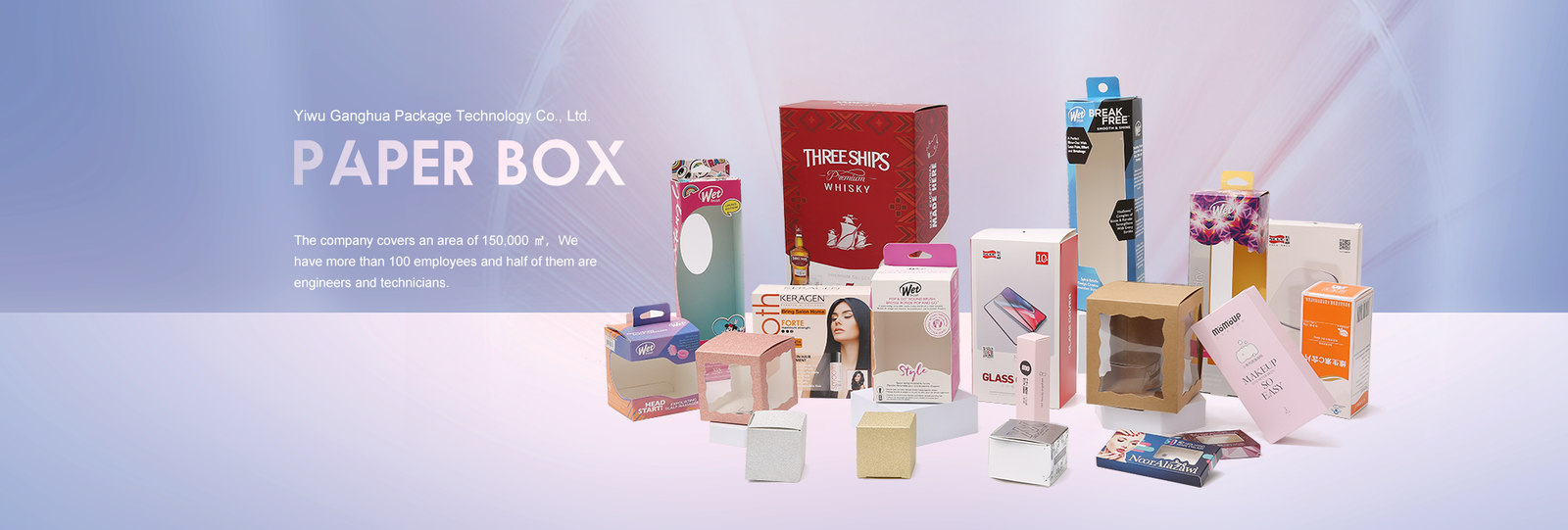
Packaging is more than just product protection; it is the first point of contact between a brand and its customer. Well-designed packaging establishes brand identity and builds anticipation even before the product is unboxed. Effective packaging elevates the consumer’s first impression and directly influences purchasing decisions.
For a brand, packaging is a crucial tool for extending brand identity. A consistent design style, color palette, and visual language help build brand recall and customer loyalty.
Packaging design carries the multi-faceted responsibilities of information communication, functional protection, and visual appeal. It must balance aesthetics with practicality, allowing consumers to instantly grasp product information while ensuring the product remains intact during transport and use.
Successful packaging design typically balances the following key aspects:
1. Visual Design: Color, Typography, and Imagery
- Color possesses the power of emotion and psychological suggestion. For instance, blue often conveys professionalism and trust, green is easily associated with nature and health, while red suits bold, stimulating products. A strategic color palette instantly communicates a brand’s positioning and product characteristics.
- Typography and layout should be clear and legible. Key information (brand name, product name, selling points) must stand out; taglines, subtitles, and details should be arranged logically so consumers can quickly grasp the essentials.
- Appropriate imagery or illustrations can enhance a package’s appeal and storytelling. Especially for food, handmade, cultural, or specialty products, illustrations or product photos help consumers quickly understand the item’s attributes.
2. Structure & Material: Functionality and Sensory Quality
- Packaging materials should be chosen based on product nature and sales channels. For example, food may require moisture-proof, crush-resistant paper or pouches, while premium goods might use high-quality paper boxes or magnetic closure boxes.
- The structure and form of packaging also impact the consumer experience. Factors like box shape, opening mechanism, ease of unboxing, stackability, transport suitability, and compatibility with e-commerce logistics or physical shelf display must be considered from the initial design phase.
- For brands advocating environmental sustainability, options like recycled paper, FSC-certified paper, or other eco-friendly materials can be chosen. This not only responds to trends but can also enhance brand image.
3. Brand Positioning & Market Strategy: From Concept to Style
Before designing packaging, it is essential to clarify the brand and product:
- What is the brand personality? (e.g., tech-savvy / luxury / handmade / natural / playful)
- Who is the target audience? What are their preferences, age group, and consumption habits?
- What is the product’s use case and sales channel? (e.g., supermarket / e-commerce / gift box / high-end boutique)
Based on these variables, select the most suitable packaging style